Ouest-FranceInterview6 October 2026
“The conflict in the Middle East is dehumanising us all”
Propos recueillis par Alan Le Bloa
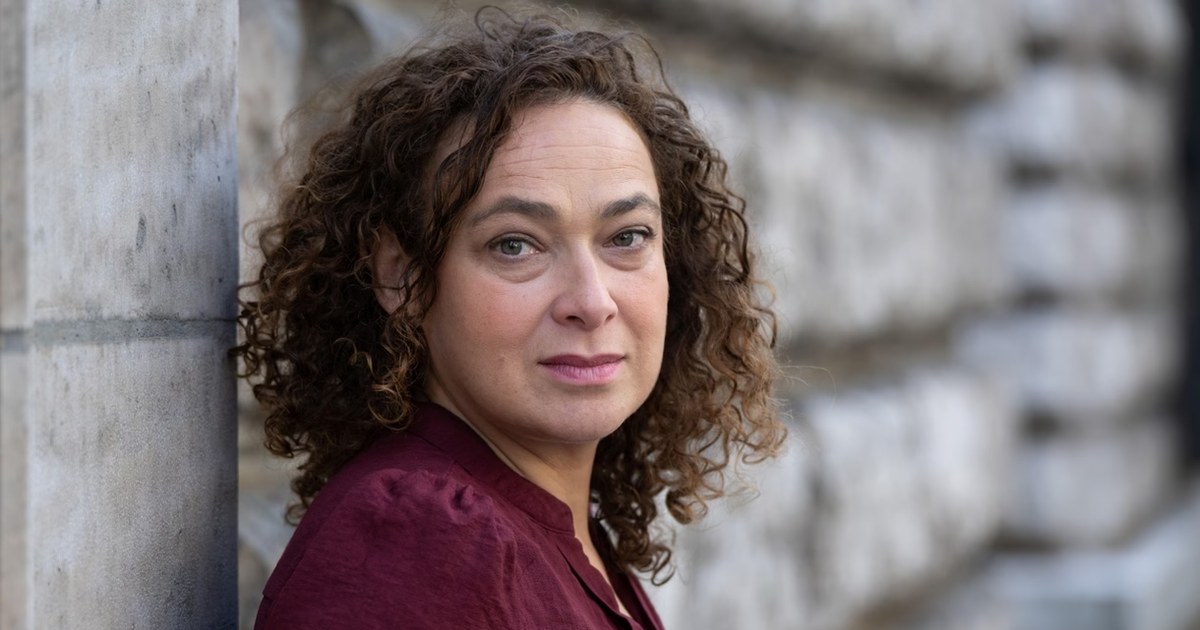
Ouest-France publishes an interview with Delphine Horvilleur, two days before « Sermons sous les décombres » comes out. Four exchanges are reproduced here, in our own translation. The interview appeared in French, in the paper’s edition of Tuesday 6 October 2026.
Question
What does 7 October 2023 mean to you?
That morning, a friend wakes me and asks whether I can see what is happening. I realise then that this is not just one more round of fighting, but that history is tipping over before our eyes. The tragedy awakens so many ghosts, hauntings and ancestral fears, handed down through our family histories, and a feeling that there is no respite, that it could all begin again. That is what trauma does: it reactivates memory and convinces you that the past refuses to pass.
Question
What are the families you accompany feeling?
For three years now, so many people have been unable to move beyond their grief. I see it in the Middle East, above all in those parents, on both sides, who have lost children. It is as if their emotional clocks had stopped at the hour of the tragedy. But what is happening to us here, thousands of kilometres away, is terrible too: this “camp mentality” we have been thrown back into since 7 October 2023. Everyone has started defending only one camp, showing solidarity with only one side, waving one flag or spitting on another. Why are we not capable of standing by all the bereaved, and all the people whose lives have been devastated?
Question
Is that what led you to write « Sermons sous les décombres »?
At the end of 2025, with the last living hostages held by Hamas just freed, and a sense that the war might be coming to an end, I told myself it was time to look in the rear-view mirror and examine my words, my speech. Everything I had said during those two years of war in the Middle East. I needed to understand why I had not been able to see or to think, what had kept me from speaking or from being heard. Had I listened enough to the pain of my own people? Had I seen enough of the suffering of the Palestinians? Had I lacked lucidity, or empathy? By choosing to publish these sermons, I am indulging the dream, naive no doubt, that others will undertake the same exercise in self-criticism. So that we can try to understand, together, what has happened to all of us.
Question
Do you understand why everyone has retreated into a camp?
I understand perfectly how pain strengthens the tribal instinct in so many people, the urge to divide the world into friends and enemies. How accusations of betrayal multiply, along with the urge to lay all the guilt on the other side. This conflict dehumanises us all, and it devastates us. So each of us has to ask how to resist the wave of hatred, and how to preserve our humanity.